Mastering PostgreSQL: Accelerate Your Weekend Projects and Seamlessly Scale to Millions
A learning path curated by Supabase and Manning Publications
Postgres is more than a relational database, it's a powerful general-purpose platform that blends SQL elegance with practical features for modern applications. This complimentary eBook from Manning Publications & Supabase teaches you not only how to use Postgres, but how to use it well to its full extent: applying contemporary SQL techniques, leveraging built-in full-text capabilities, choosing appropriate data types, and avoiding common table and index design mistakes that cost performance and correctness.
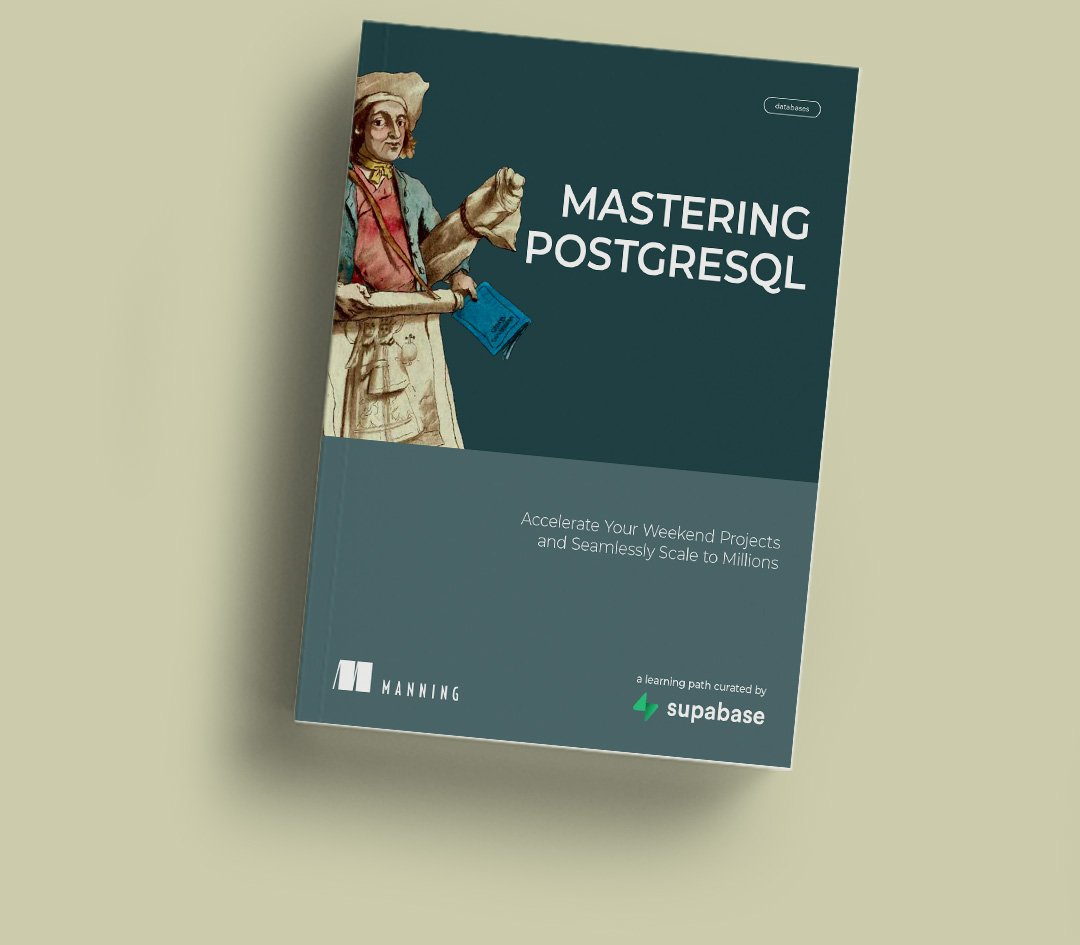
Download Mastering Postgresql for free!
What is inside
Our FREE eBook, Mastering Postgresql: Accelerate Your Weekend Projects and Seamlessly Scale to Millions, contains chosen chapters from these bestsellers.
Save 45% on these books — available as eBook and pBook. Enter supabase45 in the Promotional Code box when you checkout.
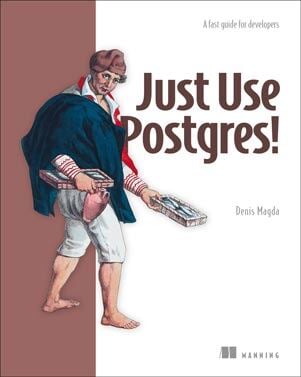
Just Use Postgres!
You probably don’t need a collection of specialty databases. Just use Postgres instead!
Just Use Postgres! covers recipes for using Postgres in dozens of applications normally reserved for single-purpose databases. Written for busy application developers, each chapter explores a different use case illuminating the breadth and depth of Postgres’s capabilities. Along the way, you’ll also meet an incredible ecosystem of Postgres extensions like pgvector, PostGIS, pgmq, and TimescaleDB. You’ll be amazed at everything you can accomplish with Postgres!
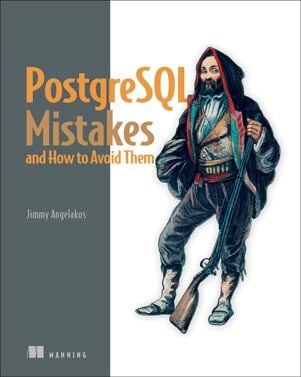
PostgreSQL Mistakes and How to Avoid Them
Recognize and avoid these common PostgreSQL mistakes!
PostgreSQL Mistakes and How To Avoid Them identifies Postgres problems in key areas like data types, features, security, and high availability. For each mistake you’ll find a real-world narrative that illustrates the pattern and provides concrete recommendations for improvement. You’ll especially appreciate the illustrative code snippets, schema samples, mind maps, and tables that show the pros and cons of different approaches.